June was marked by two outstanding digital health events that helped advance knowledge, foster dialogue, and strengthen the culture of innovation in healthcare across Brazil.
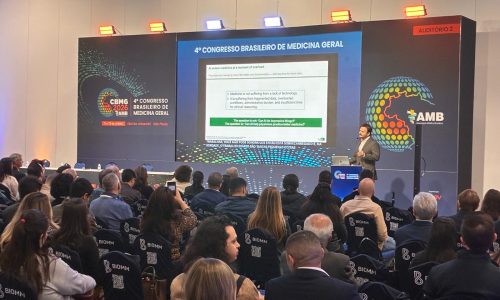
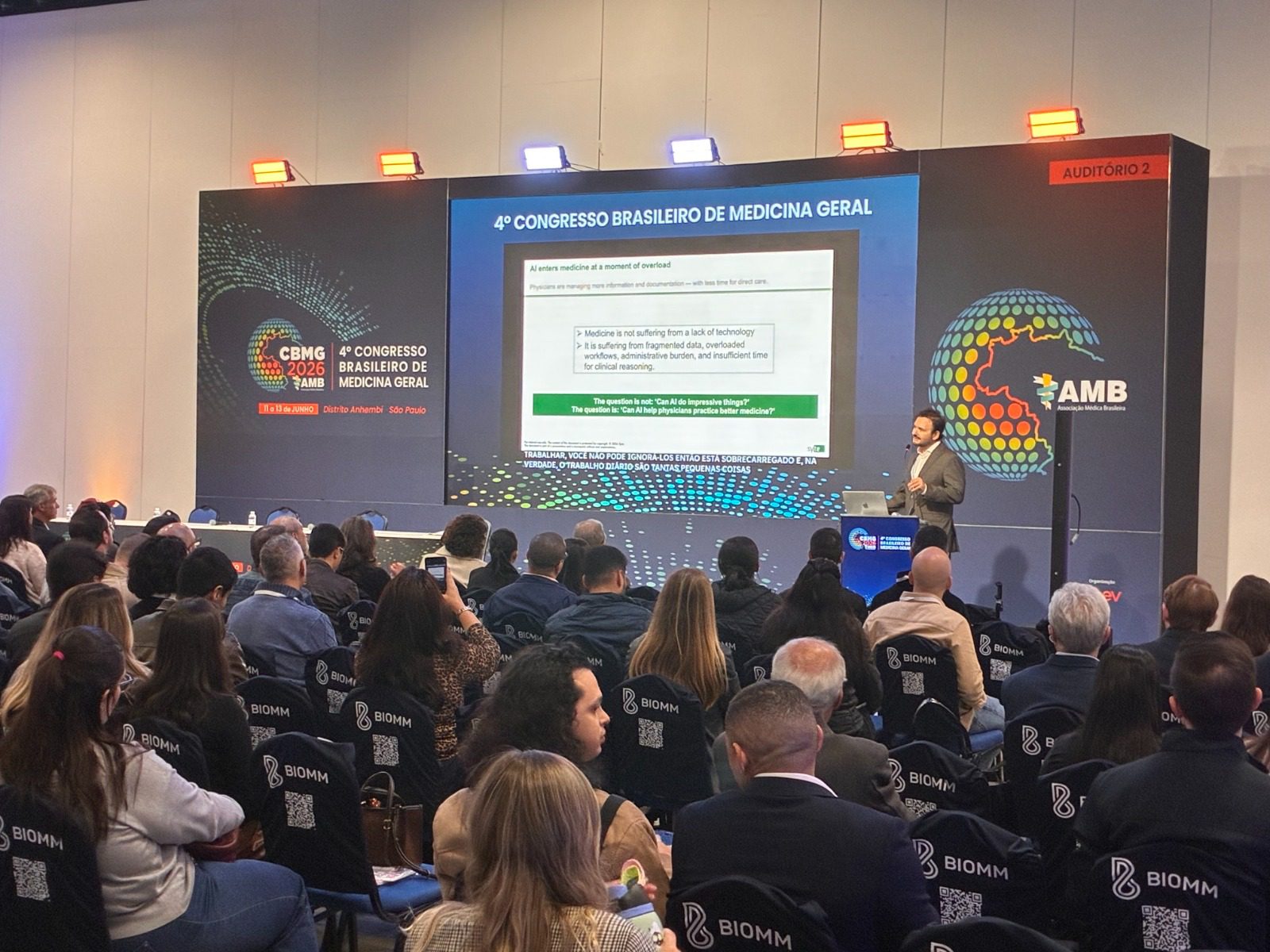
The first took place in São Paulo during the Brazilian Congress of General Medicine, an annual event organized by the Brazilian Medical Association (AMB). The AMB Digital Health Committee hosted a dedicated forum that brought together national and international experts and attracted a large audience of physicians eager to explore the future of healthcare.
One of the highlights was the presentation by Dr. Andreas Keck (Germany), entitled “Practicing Medicine in the Age of Artificial Intelligence: What Changes, What Stays, What Matters.” Dr. Keck emphasized that while AI can help physicians navigate increasing complexity, it cannot replace clinical judgment or the physician’s responsibility for the final information provided to patients. He proposed three powerful questions that should guide AI-assisted clinical decision-making:
• What might I be missing?
• What is the worst-case diagnosis?
• What would I do if the AI were wrong?
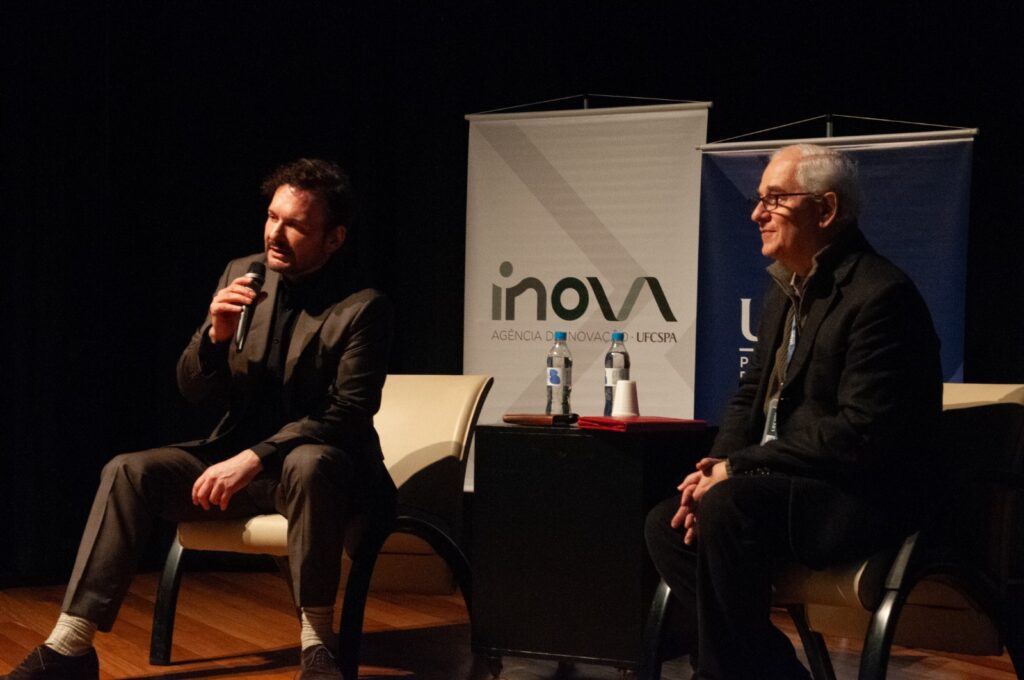
The second event, Inova Day, was organized by the Innovation Agency of the Federal University of Health Sciences of Porto Alegre (UFCSPA). Under the theme “Digital Health and Artificial Intelligence: From Strategy to Implementation,” the event brought together leaders from UFCSPA, Hospital Israelita Albert Einstein, the University of São Paulo, and international the expert, Dr. Andreas Keck.
The program explored critical topics such as “From Pilots to Impact: The Missing Link in Digital Health and AI,” “Innovation Ecosystems in Brazil,” “Innovation and Entrepreneurial Education in Health,” and “Digital Health and Artificial Intelligence with Purpose.” A full auditorium and highly engaged audience—including physicians, healthcare professionals, faculty members, researchers, and students—demonstrated growing interest in transforming healthcare through evidence-based digital innovation.
These events reinforced an important message: the future of healthcare will not be shaped by technology alone, but by our ability to combine innovation, scientific evidence, education, and human-centered care to create meaningful and sustainable impact.
As digital health and AI continue to evolve, our greatest challenge is not adopting new technologies, but ensuring they are implemented with purpose, evidence, trust, and a clear focus on improving people’s lives.
See this article also on Linkedin: Click Here!